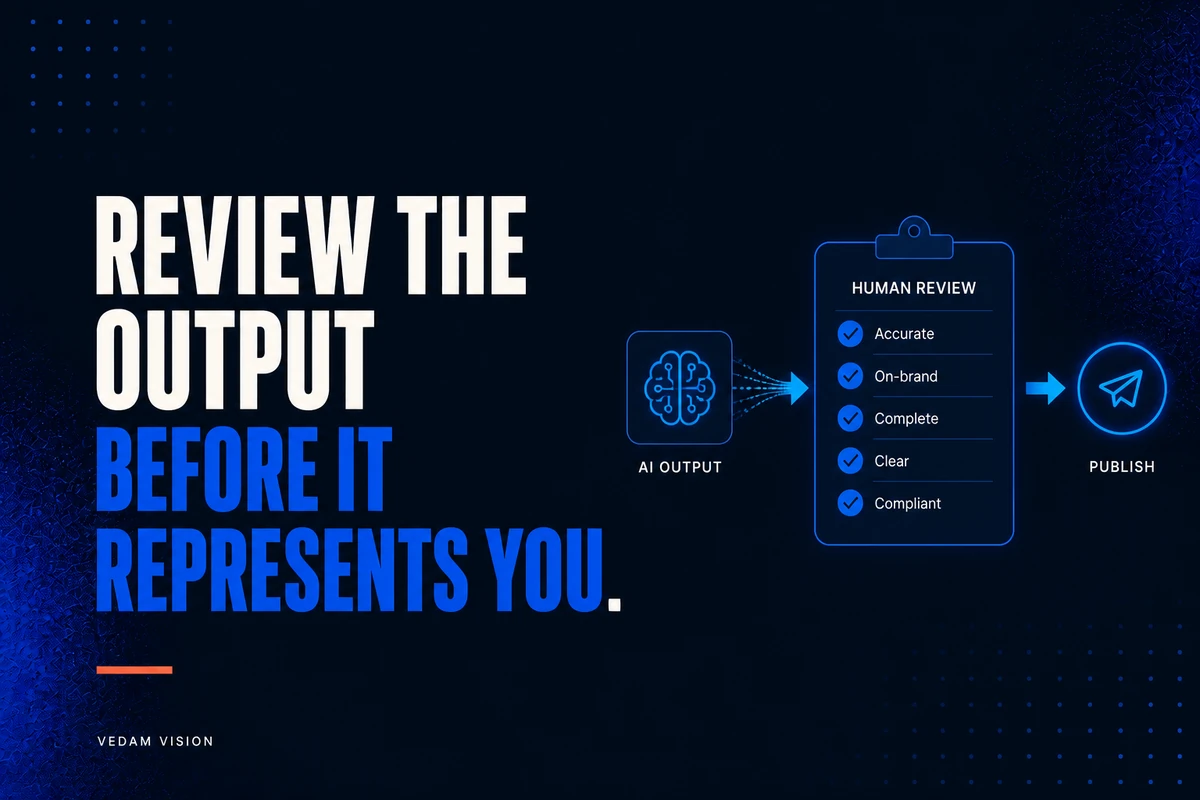
An AI output review checklist should help a reviewer decide whether work is safe and useful to approve, not merely whether it sounds polished. Before any AI-assisted output is published, sent, entered into a system, or used for a decision, check the brief, sources, facts, context, confidentiality, bias, rights, brand fit, action risk, and final accountability. If the reviewer cannot verify a consequential claim or safely correct the output, it should not move forward.
AI can produce a convincing answer even when the prompt is incomplete, the source is weak, or the context is missing. That makes fluency a poor quality signal. The right review depends on what happens next. A private brainstorming note needs a lighter check than a client recommendation, customer email, financial update, campaign claim, or automated database action.
The NIST AI Risk Management Framework Core treats governance, context mapping, measurement, and risk management as connected activities. NIST also emphasises human oversight, documented responsibility, testing, monitoring, and third-party risks. This checklist translates those principles into a practical review workflow for managers.
First classify the output by consequence
Do not apply one review standard to everything. Classify the output before checking it:
- Low consequence: internal ideas, rough outlines, non-sensitive summaries, or disposable drafts.
- Customer-facing: website copy, social posts, proposals, emails, reports, creative work, or support responses.
- Operational: analysis, categorisation, records, schedules, forecasts, workflow routing, or recommendations that affect resources.
- High consequence: output affecting employment, credit, health, safety, legal rights, essential services, or sensitive personal information.
Increase the depth and expertise of review as the consequence rises. A small team should prohibit unsupervised high-consequence use unless qualified specialists have approved the workflow and controls.
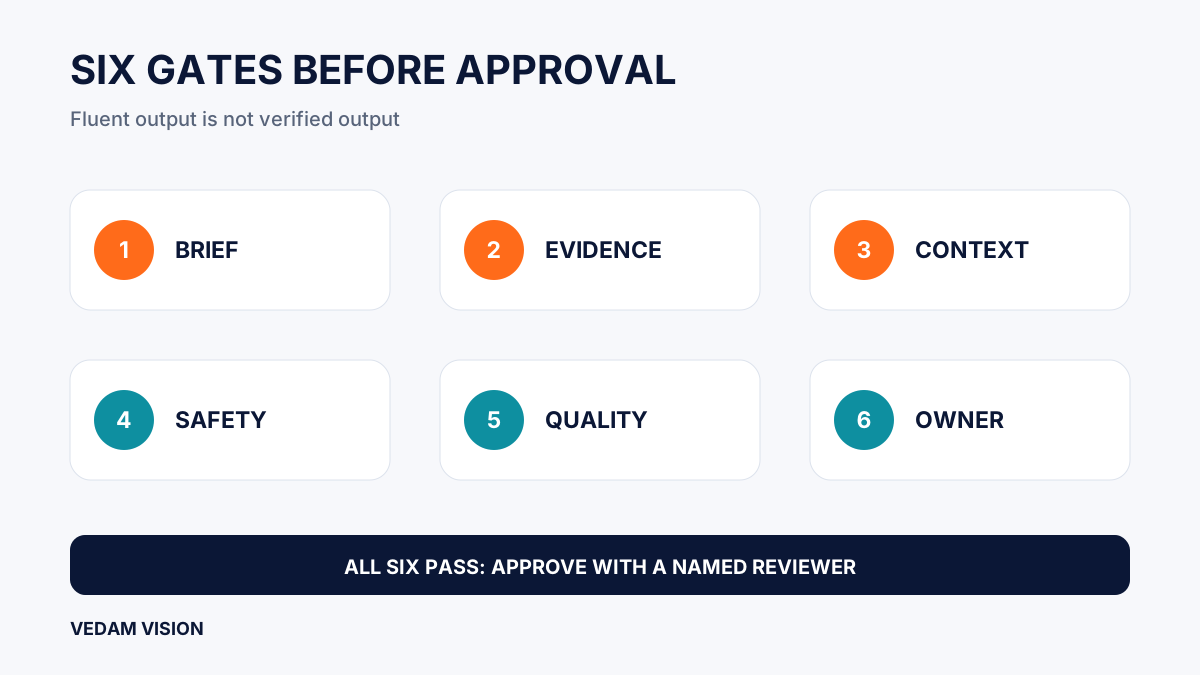
Gate 1: Check the brief and intended use
Start before the wording. Confirm the purpose, audience, required outcome, boundaries, and next action. An output can be well written and still solve the wrong problem.
- What exact task was the tool asked to perform?
- Who will read, receive, or be affected by the result?
- What decision or action will follow?
- Which instructions, policies, and constraints apply?
- Was the approved tool used for an approved purpose?
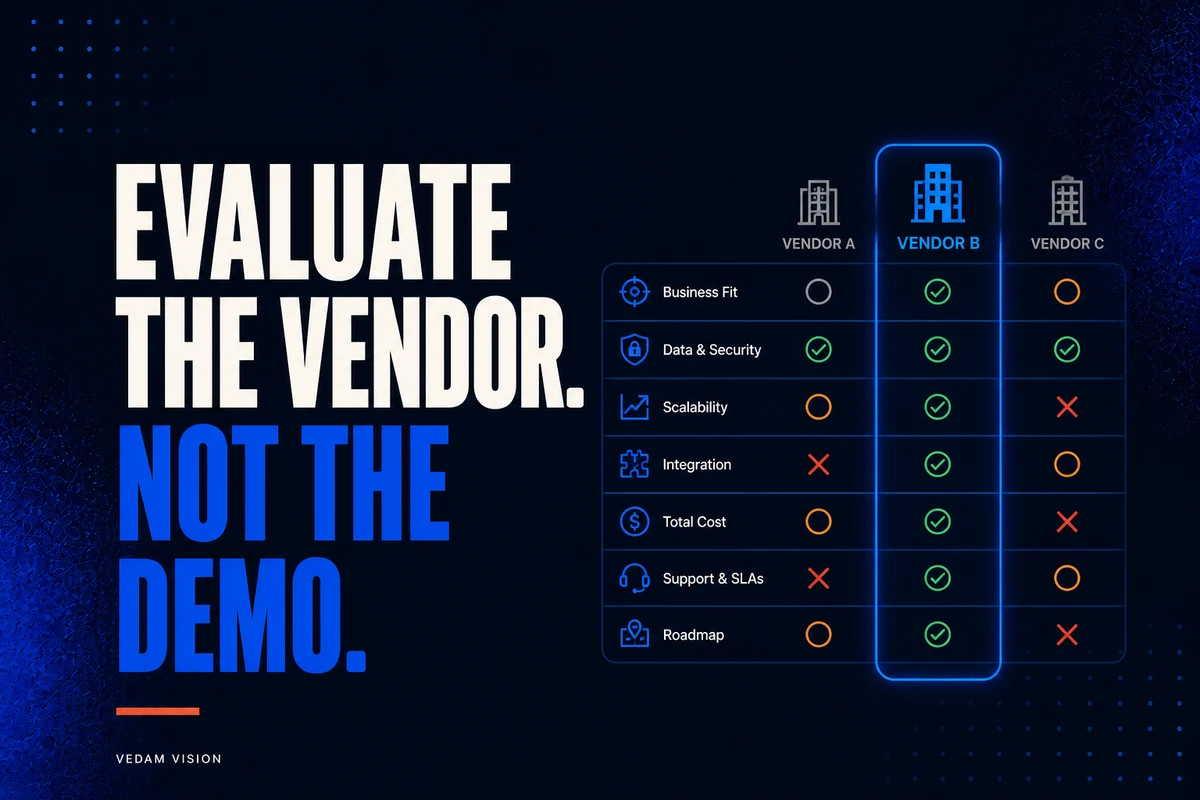
Compare the output with the original source brief. Look for requirements the tool silently dropped or invented. If the brief was vague, improve it before spending time polishing the answer. The Vedam Vision process provides a useful model for separating discovery and planning from production and approval.
Gate 2: Verify facts, sources, and calculations
Identify every factual claim that matters. Check it against an authoritative, current source. Open links rather than trusting citations written by the model. Confirm that a source supports the exact claim, not merely the broad topic.
Review names, dates, prices, product features, laws, statistics, quotations, locations, and technical instructions. Recalculate totals, percentages, currency conversions, dates, and comparisons independently. If a claim changes over time, record when it was checked.
For marketing, remove invented performance claims, customer stories, testimonials, credentials, or urgency. For client work, distinguish verified evidence from interpretation. For operations, compare a sample of outputs with source records and investigate mismatches rather than averaging them away.
A useful rule is simple: if the claim would influence trust, money, safety, reputation, or a decision, the reviewer needs evidence outside the AI output.
Gate 3: Restore missing context and judgement
AI often produces a generic answer because it does not know the unwritten context. Check whether the output reflects the customer, market, channel, timing, workflow, constraints, and exceptions that matter.
- Does the recommendation fit the available budget, people, skills, and timeline?
- Does it recognise important exceptions or limitations?
- Does it confuse correlation with cause or possibility with certainty?
- Does it present one option as universal when tradeoffs exist?
- Would an experienced person notice a missing step?
For a proposal, confirm the scope is deliverable. For a campaign, confirm the audience and offer are real. For an operations plan, confirm system permissions, handoffs, failure modes, and fallback. The human reviewer adds context that a plausible paragraph cannot supply.
Gate 4: Protect people, data, rights, and security
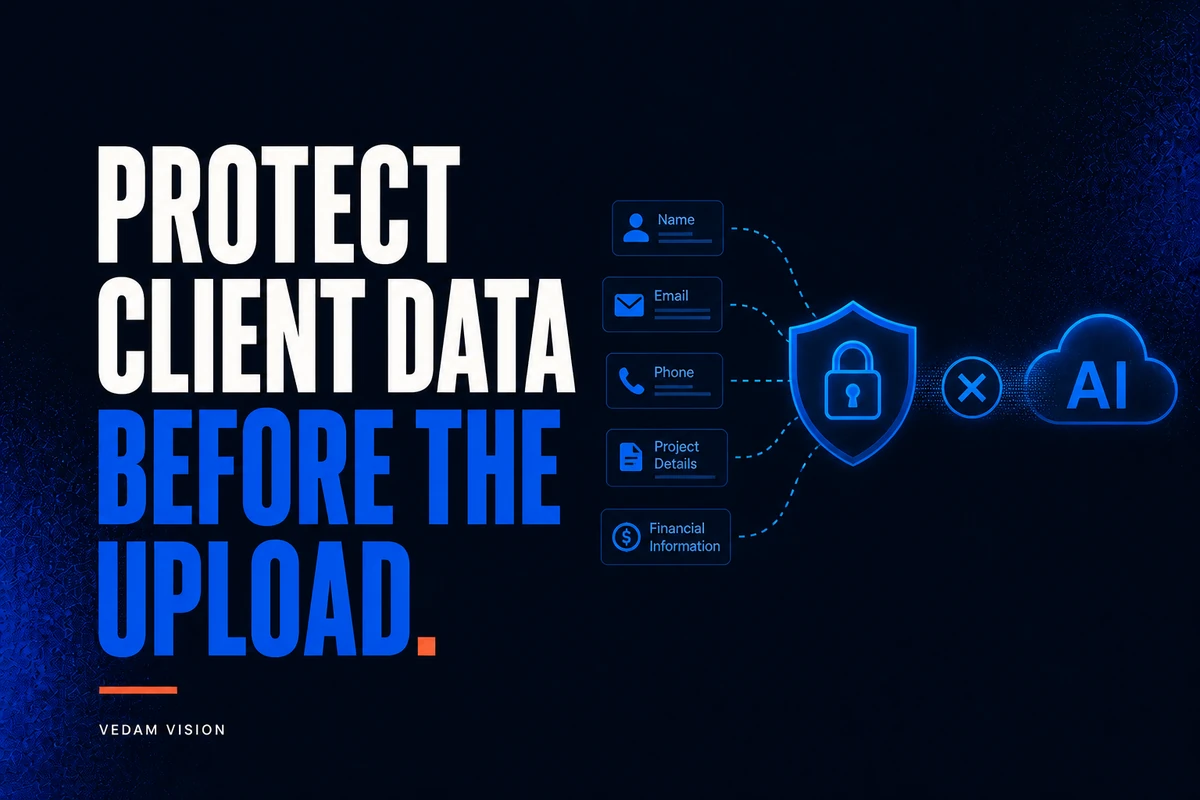
Check both the output and the material used to create it. Remove personal, confidential, client, financial, health, authentication, or proprietary information that should not have entered the tool. If restricted information was exposed, follow the incident process rather than quietly deleting the chat.
Ask whether the output could discriminate, stereotype, exclude, deceive, manipulate, defame, or expose someone. Check whether images, text, code, data, music, or trademarks may create intellectual-property or licensing concerns. Confirm that the output does not imitate a real person or imply approval that was never given.
For automated actions, review permissions, destinations, recipients, limits, and rollback. A draft that looks harmless can become risky when connected to publishing, email, customer records, payments, or production systems. An AI solutions and automation review can help map these action points and controls.
Gate 5: Review quality for the type of work
Marketing review
- Does the opening address a real audience problem rather than manufacture drama?
- Are benefits supported and promises proportionate?
- Does the copy match the brand voice without sounding copied or mechanical?
- Is the call to action honest and relevant?
- Are accessibility, alt text, captions, and layout considered?
- Does the content add a useful point rather than repeat generic advice?
Operations review
- Are inputs complete, current, and from the correct system?
- Are categories and rules applied consistently?
- Are exceptions, duplicates, missing values, and edge cases visible?
- Can a person trace the output back to the source?
- Is there a safe fallback if the tool or integration fails?
- Will the action create an irreversible or cascading change?
Client-work review
- Does the work answer the agreed brief and remain within scope?
- Are recommendations tied to the client's evidence and constraints?
- Are uncertainties, dependencies, and limitations stated clearly?
- Has confidential information stayed separate between clients?
- Would a qualified team member stand behind every material conclusion?
- Is the final deliverable genuinely useful without hidden AI cleanup work for the client?
For broader governance around these checks, see the guide to practical AI governance for Indian enterprises.
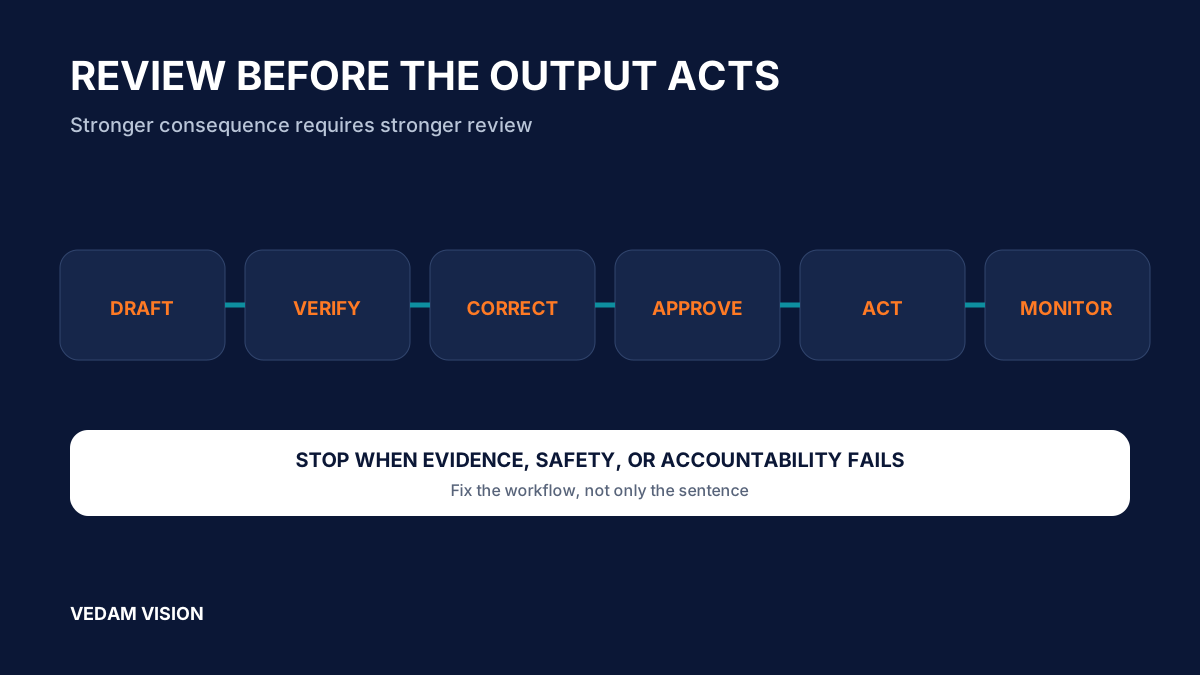
Gate 6: Name the accountable person
The person who sends, publishes, recommends, enters, or acts on the output owns the result. “The AI produced it” is not an approval record. The final reviewer needs enough knowledge, time, evidence, and authority to reject the work.
Record the reviewer for customer-facing, operational, or consequential output. For recurring workflows, define the role rather than choosing a person each time. If nobody can confidently approve the output, the workflow is not ready.
Accountability also means documenting material corrections and exceptions. This creates evidence for improving prompts, sources, training, and controls. It helps the business see whether the tool is reducing work or shifting it into hidden review.
A copy-ready review checklist
Purpose and scope
- The output answers the approved brief.
- The audience, channel, and next action are clear.
- The tool and use are approved.
Evidence
- Material facts are verified against current authoritative sources.
- Citations open and support the exact claims.
- Calculations and comparisons are independently checked.
- No experiences, results, testimonials, or quotations are invented.
Context
- The output reflects the real customer, workflow, market, and constraints.
- Important exceptions, dependencies, and limitations are visible.
- Recommendations are proportional rather than absolute.
Safety and rights
- No prohibited or unnecessary sensitive information was used.
- The output avoids deceptive, discriminatory, harmful, or unlawful content.
- Security, licensing, intellectual property, and permissions are checked.
Quality
- The work is clear, specific, useful, accessible, and consistent with the brand.
- Generic filler, repetition, unsupported certainty, and mechanical phrasing are removed.
- The final format works in the destination where it will be used.
Accountability
- A named, qualified person completed the review.
- Corrections and material exceptions are recorded.
- The fallback, escalation, and monitoring requirements are ready.
How to make the checklist efficient
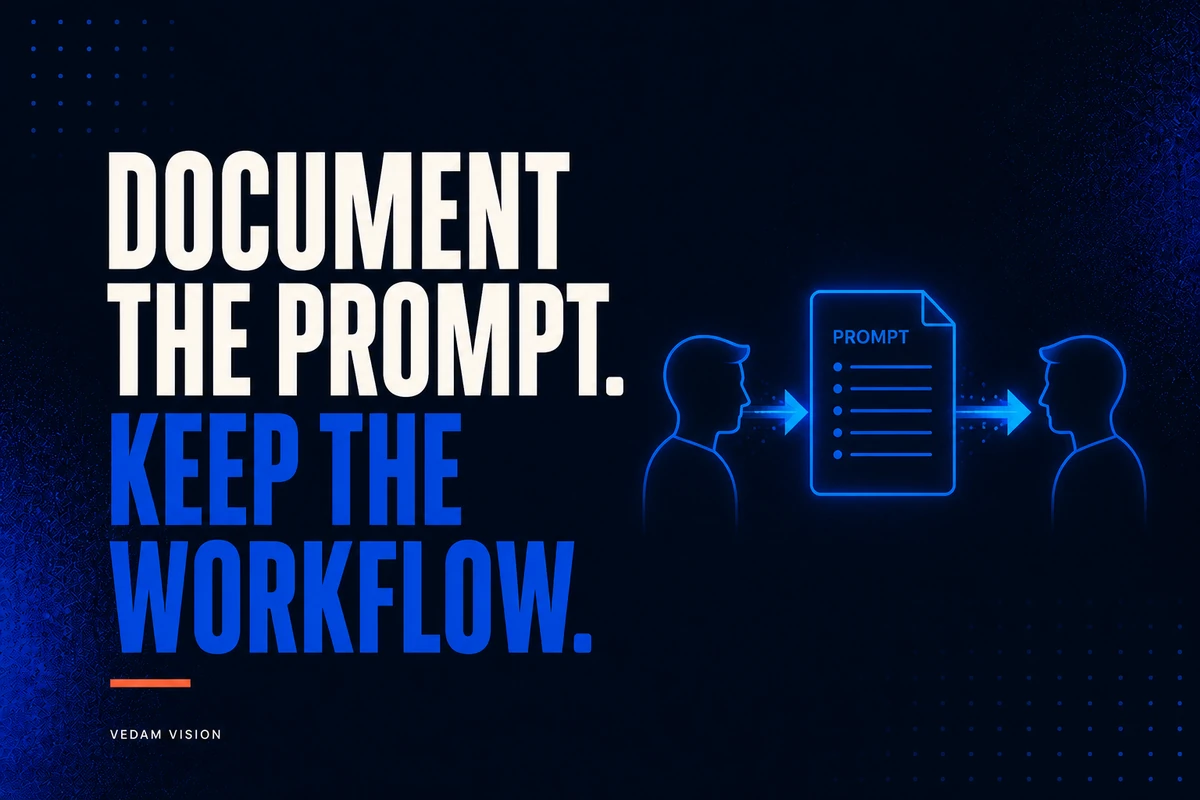
Do not make every reviewer start from zero. Build task-specific checklists for recurring work, maintain approved source lists, define prohibited data, provide examples of acceptable and rejected output, and use templates that preserve the brief and review record.
Sample the workflow regularly. Track time spent generating, reviewing, correcting, and escalating. If review consistently takes longer than doing the work directly, adjust the use case or stop it. The AI ROI guide explains why total workflow time matters more than generation speed.
Use automation for mechanical checks where appropriate, such as broken links, missing fields, duplicate content, prohibited terms, formatting, or image dimensions. Do not mistake automated validation for professional judgement. Tools can flag conditions; the accountable reviewer decides whether the work is fit for purpose.
When the reviewer should stop
Reject or pause the output when a consequential claim cannot be verified, sensitive information was mishandled, the result could materially harm or mislead someone, the required specialist is unavailable, the tool acted outside its permission, or correction would hide a deeper workflow failure.
Escalate repeated failures. A pattern may indicate poor source data, an unsuitable tool, an unclear brief, weak training, excessive automation, or a use case that should be retired. Governance improves when a rejected output changes the system rather than becoming an isolated edit.
Final approval rule
Approve only when the output is supported, appropriate, safe, useful, and owned by a named person. Keep the depth of review proportional to the consequence, but never waive the checks that protect customers, confidential information, and honest communication.
For help turning this checklist into workflow-specific quality gates, explore Vedam Vision services, request a free digital audit, or contact Vedam Vision.