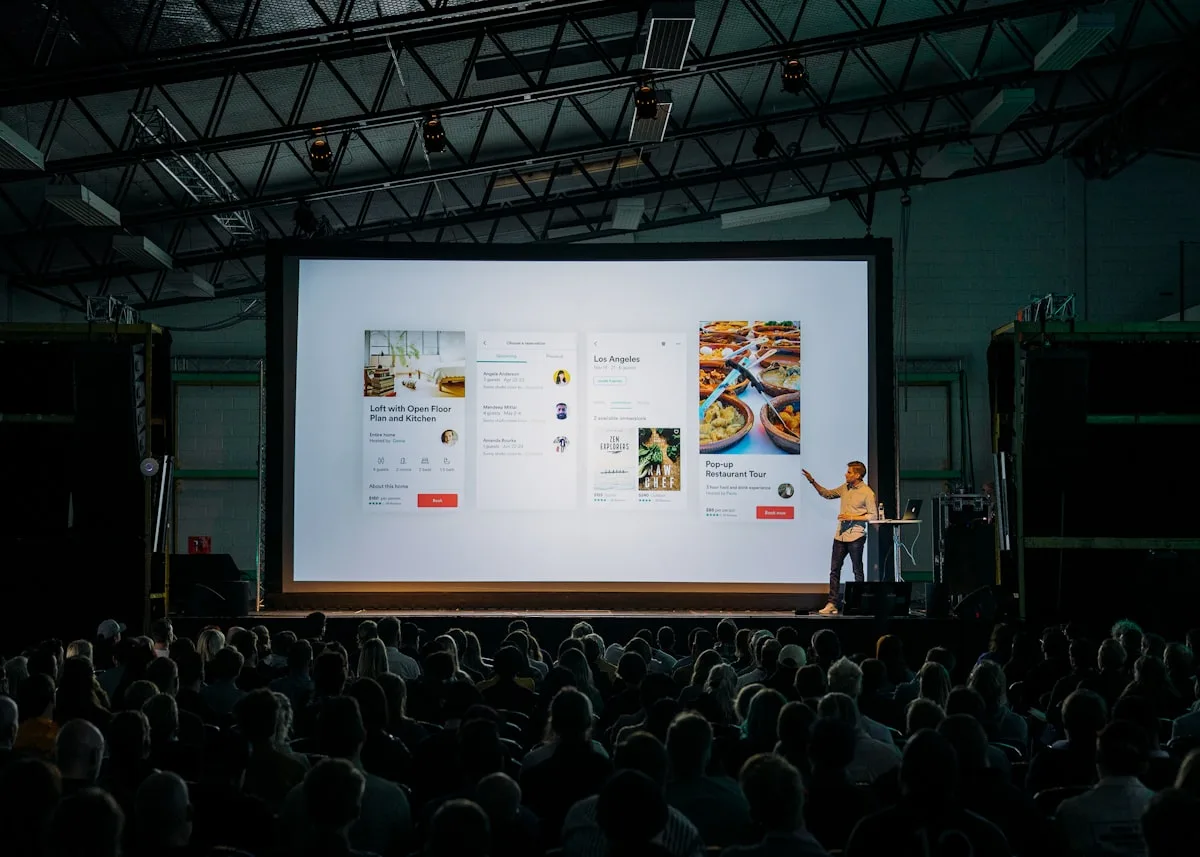
Dark mode design can feel premium, modern, and visually striking, but it only works well when readability, contrast, and brand alignment are handled properly.
Design is often misunderstood as a finishing layer, but in marketing it directly affects attention, trust, clarity, and action. The way a brand looks changes how people feel about its quality, professionalism, and reliability. That is why design decisions influence business outcomes much more than many teams realize.
Why this topic matters for growing brands

Strong design helps people process information faster. It improves readability, shapes perception, and reduces friction in the decision-making journey. Whether someone lands on a website, sees an ad, opens a brochure, or scrolls past a social post, design influences whether they continue engaging.
In practical terms, good design supports better conversion because it makes the next step feel easier. It also improves memory because strong visual structure helps people recognize your brand more quickly over time.
Dark Mode Design: When and How to Use It for Your Brand
- Dark mode can create a premium visual feel for some brands.
- Not every industry or audience benefits from dark interfaces.
- Contrast and readability matter more than visual trendiness.
- Dark mode works best when supported by a clear color system.
| Element | What it does | Business impact |
|---|---|---|
| Contrast | Affects readability immediately | Protects user experience |
| Mood | Creates a distinct brand feel | Shapes perception |
| Color use | Controls emphasis and accent power | Improves hierarchy |
| Context fit | Ensures the style matches the brand | Avoids forced design choices |
What businesses usually get wrong
Many businesses make one of two mistakes. Either they underinvest in design and treat it as decoration, or they overfocus on style without enough strategic clarity. The result is usually inconsistent branding, weak user experience, and marketing assets that look busy but do not convert well.
Another common problem is inconsistency. A business may have one good brochure, one weak website, a different-looking Instagram page, and ads that feel disconnected from the brand. This breaks trust because customers do not experience one coherent identity.
How to apply this practically
The smartest way to improve design is to think in systems, not isolated visuals. That means creating repeatable structure for headlines, spacing, colors, typography, CTAs, and trust elements. Once the system is stronger, campaigns become easier to execute and more consistent across touchpoints.
For growing businesses, even small design upgrades can improve marketing outcomes: clearer page flow, better visual hierarchy, stronger contrast, more persuasive proof blocks, and more confident brand presentation.
How Vedam Vision approaches this
At Vedam Vision, design is tied to business goals. We look at clarity, conversion, consistency, and trust—not just visual polish. Good design should help your brand communicate better and make the next step easier for the customer.
FAQ
Is dark mode always better?
No. It depends on brand personality, readability needs, and user context.
What makes dark mode fail?
Weak contrast and poor hierarchy usually cause the biggest problems.
Which brands benefit most from dark mode?
Brands in tech, luxury, creative, or entertainment often use it well.
Can dark mode hurt conversions?
Yes, if readability or CTA clarity is compromised.
If you want your brand design to feel more intentional, Explore our services or request a free audit to identify where better design can improve your growth system.
Operational next steps
Dark mode should be tested as part of the broader brand and conversion system. works better when the team documents the process around it. That may include a content checklist, internal review notes, a reusable prompt framework, better CTA logic, or a clearer page template. These operational improvements often matter just as much as the visible content because they make quality easier to repeat.
It also helps to connect the asset to the wider funnel. A blog post, landing page, or automation concept should support the next logical action instead of existing in isolation. That is where internal linking, lead capture, and service alignment become important.
How to improve over time
Good marketing systems improve in layers. First comes a stronger structure, then clearer examples, then better measurement, then smarter optimization. Businesses usually get better results when they treat marketing as an evolving system rather than expecting one asset to solve every problem instantly.
The best long-term gains usually come from repeated refinement: better messaging, cleaner offers, stronger proof, and faster follow-up. That is what turns content from a publishing task into a growth tool.
Deeper application
Design style choices should support readability, brand fit, and conversion—not just novelty. usually performs better when businesses connect it to a broader customer journey. That means identifying what stage the user is in, what doubts still exist, and what supporting proof or clarity is needed before the next step feels obvious. This kind of refinement often improves both trust and conversion at the same time.
It also helps to think in terms of reuse. A strong content asset, design system, or workflow should not only work once. It should make future execution easier, faster, and more consistent. That is often where businesses see compounding value from better systems.
Where businesses usually lose momentum
Momentum is often lost when teams produce something useful but fail to turn it into a repeatable process. For example, a business may create one good blog, one strong design asset, or one helpful automation—then stop there. Better long-term results usually come from turning those wins into templates, standards, and reusable workflows.
That is why process matters as much as output. Better marketing systems reduce randomness, improve quality control, and make growth more sustainable.
Additional examples and context
Dark mode decisions should always be reviewed in the context of usability and trust. often becomes more persuasive when businesses include clearer examples, common objections, and decision-making context. Readers usually convert better when they can see how a concept applies to their own situation rather than only understanding it in theory.
That is why stronger content usually combines explanation with examples, practical framing, and a clear picture of what happens next.
How to use this insight in planning
Once the core idea is clear, the next step is to connect it to the broader marketing plan. That may include better landing pages, more focused content, improved lead routing, stronger proof, or clearer offers. Content becomes more valuable when it helps shape better action rather than ending as isolated reading material.
The brands that improve fastest usually turn insights into repeatable process changes. That is what gives the work longer-term impact.