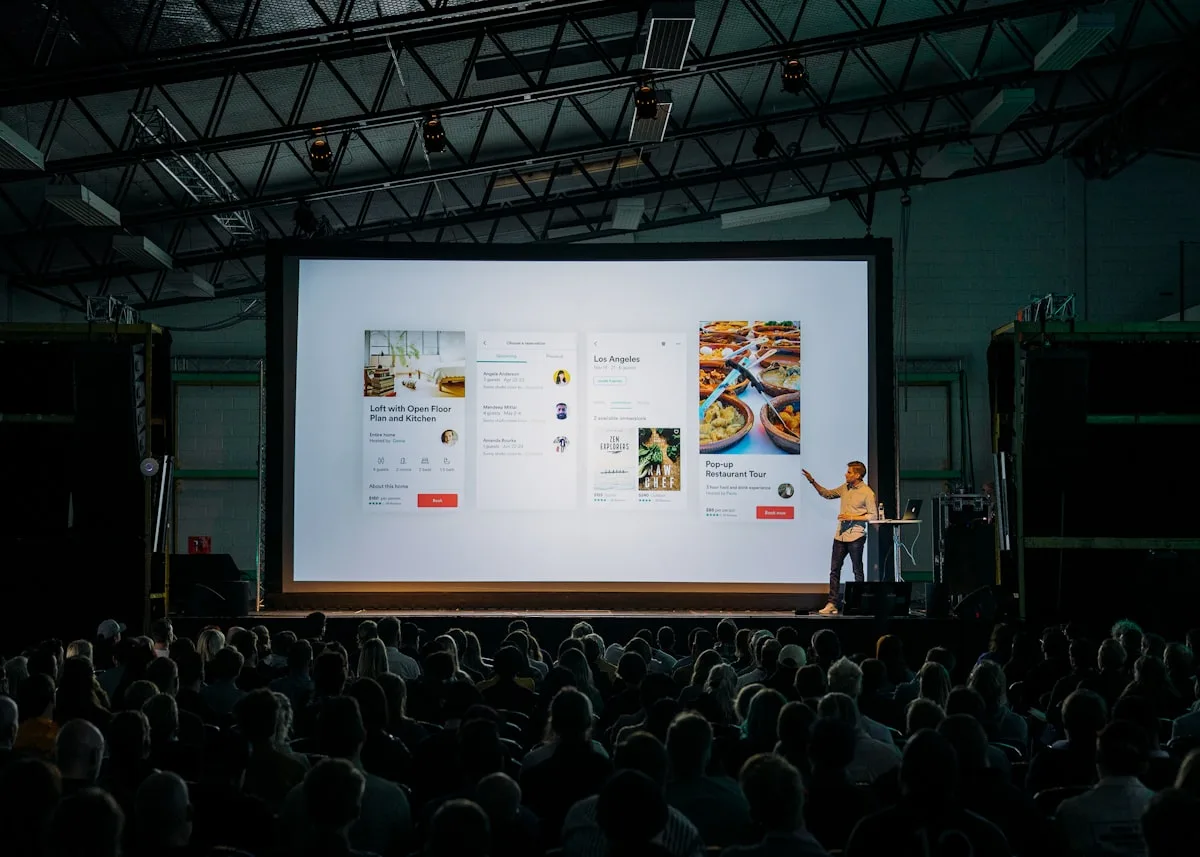
Design trends matter when they reflect real shifts in user behavior, platform expectations, and brand communication—not when they are copied blindly. In 2026, the strongest trends are the ones that improve clarity and relevance.
In fast-moving digital markets, design quality shapes how people judge your brand before they engage deeply with your message. That is why strong design decisions can influence scroll behavior, trust, conversion, and memory much more than most businesses expect.
Why this matters for marketing performance

Design affects how fast people process what they are seeing. If the structure is confusing, cluttered, or inconsistent, the message becomes harder to absorb. If the design feels confident, clear, and relevant, people are more likely to continue reading and take the next step.
That means design is not just visual polish. It is part of communication strategy and conversion design.
Design Trends That Are Shaping Digital Marketing in 2026
- 2026 design trends are becoming more system-driven and performance-aware.
- Brands are balancing bold aesthetics with faster readability.
- Motion, typography, and structure are working together more intentionally.
- Good trend adoption depends on brand fit, not imitation.
| Design area | What it influences | Why it matters |
|---|---|---|
| Bold typography | Improves attention and hierarchy | Helps brands communicate faster |
| Micro motion | Adds polish and guidance | Improves perceived quality |
| Minimal systems | Reduce clutter | Improve readability |
| Stronger contrast | Makes content easier to process | Supports engagement |
Common mistakes businesses make
Many businesses either use weak DIY design systems or jump between styles too often. Both problems reduce trust. Another common issue is prioritizing trendiness over clarity. Good marketing design should still be easy to understand, easy to navigate, and aligned to the user’s goal.
How to apply this in a real business context
The smartest approach is to build repeatable visual systems. That includes typography rules, spacing logic, headline structure, CTA hierarchy, image style, and layout consistency. Once that system exists, your content and campaigns look more coherent and perform more predictably.
For most businesses, the goal is not “more design.” The goal is more useful, trustworthy, and consistent design.
How Vedam Vision approaches this
At Vedam Vision, we treat design as a business asset. It should support communication, improve trust, and make every customer touchpoint feel more intentional. That is where design starts contributing to results, not just appearance.
FAQ
Should every brand follow design trends?
No. Trends should only be used when they fit the brand and audience.
What trend matters most?
The trend toward clearer hierarchy and better usability matters most.
Can trendy design hurt results?
Yes, if it sacrifices clarity for novelty.
How should businesses use trends?
Use them selectively to improve relevance without breaking brand consistency.
If your marketing looks active but still feels inconsistent, explore our services or request a free audit to see where design improvements can strengthen performance.
Operational next steps
Design trends only create value when they improve relevance, clarity, or brand differentiation. works better when the team documents the process around it. That may include a content checklist, internal review notes, a reusable prompt framework, better CTA logic, or a clearer page template. These operational improvements often matter just as much as the visible content because they make quality easier to repeat.
It also helps to connect the asset to the wider funnel. A blog post, landing page, or automation concept should support the next logical action instead of existing in isolation. That is where internal linking, lead capture, and service alignment become important.
How to improve over time
Good marketing systems improve in layers. First comes a stronger structure, then clearer examples, then better measurement, then smarter optimization. Businesses usually get better results when they treat marketing as an evolving system rather than expecting one asset to solve every problem instantly.
The best long-term gains usually come from repeated refinement: better messaging, cleaner offers, stronger proof, and faster follow-up. That is what turns content from a publishing task into a growth tool.
Deeper application
Trend adoption becomes more useful when it is filtered through brand clarity and user behavior. usually performs better when businesses connect it to a broader customer journey. That means identifying what stage the user is in, what doubts still exist, and what supporting proof or clarity is needed before the next step feels obvious. This kind of refinement often improves both trust and conversion at the same time.
It also helps to think in terms of reuse. A strong content asset, design system, or workflow should not only work once. It should make future execution easier, faster, and more consistent. That is often where businesses see compounding value from better systems.
Where businesses usually lose momentum
Momentum is often lost when teams produce something useful but fail to turn it into a repeatable process. For example, a business may create one good blog, one strong design asset, or one helpful automation—then stop there. Better long-term results usually come from turning those wins into templates, standards, and reusable workflows.
That is why process matters as much as output. Better marketing systems reduce randomness, improve quality control, and make growth more sustainable.
Additional examples and context
Trend-based design should still be tested against user comprehension and business relevance. often becomes more persuasive when businesses include clearer examples, common objections, and decision-making context. Readers usually convert better when they can see how a concept applies to their own situation rather than only understanding it in theory.
That is why stronger content usually combines explanation with examples, practical framing, and a clear picture of what happens next.
How to use this insight in planning
Once the core idea is clear, the next step is to connect it to the broader marketing plan. That may include better landing pages, more focused content, improved lead routing, stronger proof, or clearer offers. Content becomes more valuable when it helps shape better action rather than ending as isolated reading material.
The brands that improve fastest usually turn insights into repeatable process changes. That is what gives the work longer-term impact.