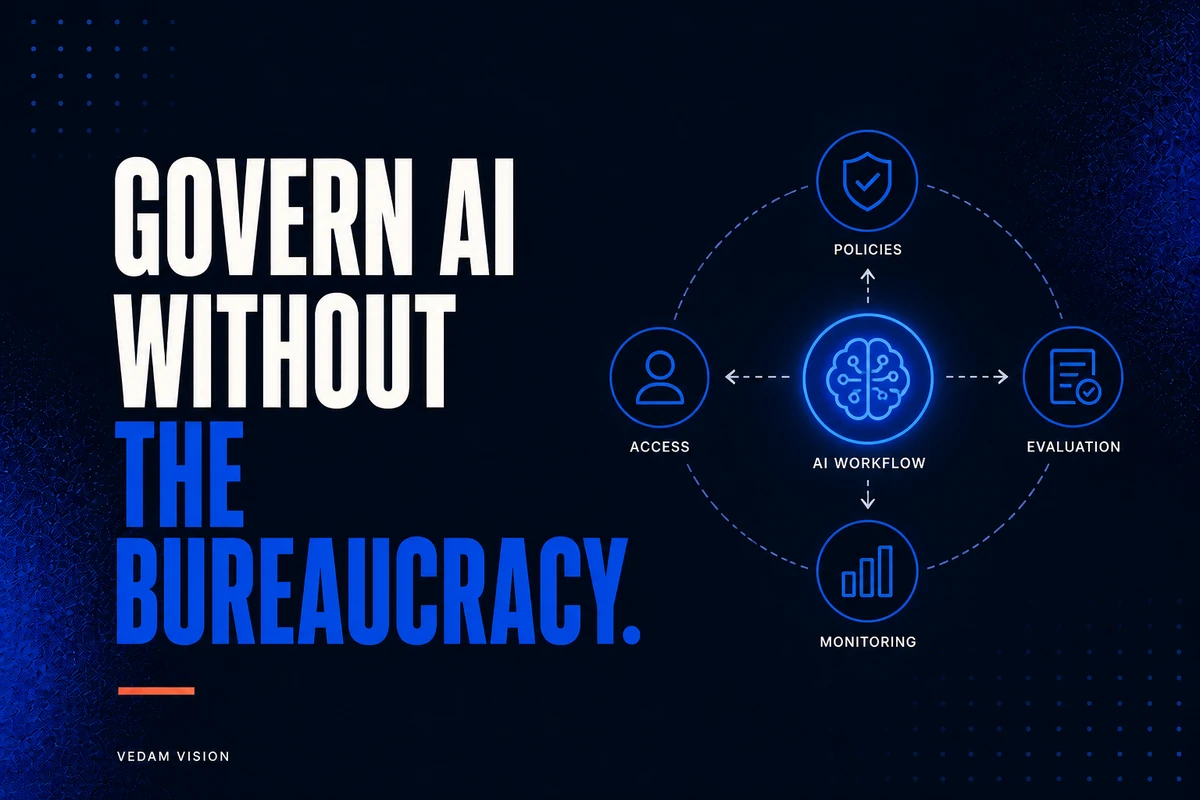
An AI governance framework for a small business should be an operating rhythm, not a committee chart. A workable framework keeps one inventory of AI uses, assigns an owner to each use, applies stronger controls when the consequence of an error is higher, records important decisions, reviews performance, and retires tools that are unsafe or no longer useful. A small team can run this with a shared register, short approval form, monthly review, and clear incident route.
Governance is often mistaken for a document that says “use AI responsibly.” That is only a statement of intent. Real governance connects a policy to daily decisions: who may use a tool, what data may enter it, who checks the output, how the business measures value and harm, and who can pause the workflow.
The NIST AI Risk Management Framework Core organises AI risk work into Govern, Map, Measure, and Manage. NIST describes governance as a cross-cutting function that continues through the lifecycle rather than a one-time approval. A small business does not need to implement every suggested action. It can borrow the structure and scale it to its own resources, context, and risk.
The minimum viable governance system
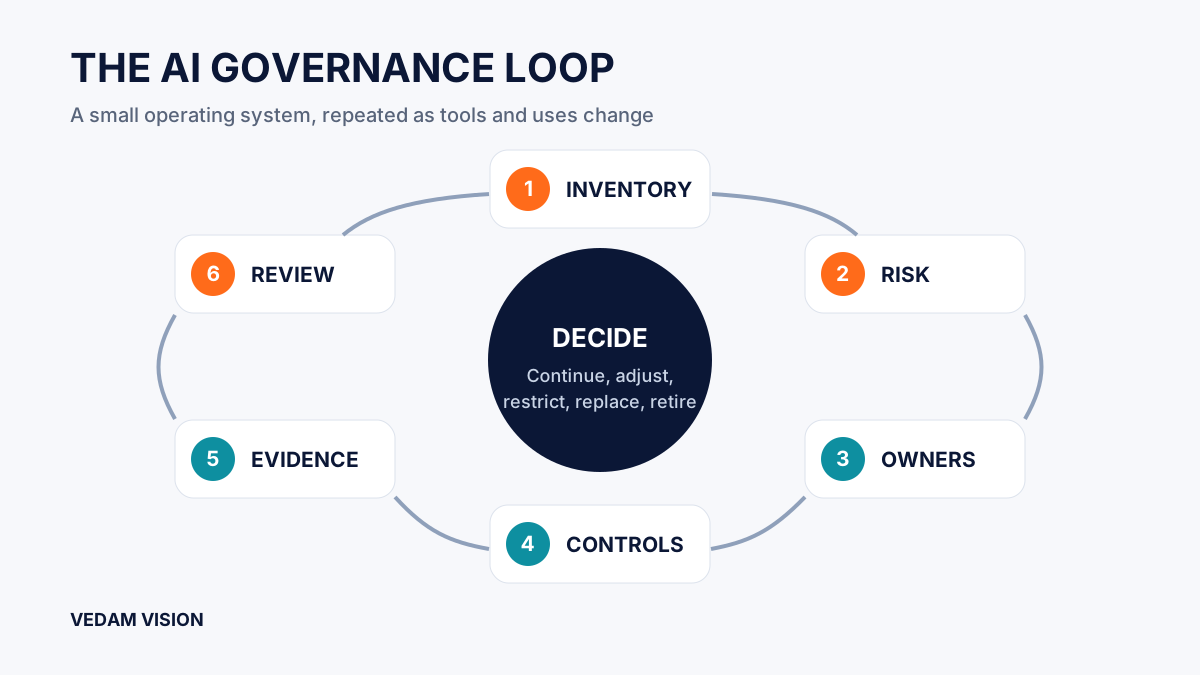
Start with six connected components:
- AI register: a current list of tools, features, workflows, owners, data, and affected people.
- Risk tier: a simple classification based on the consequence of error, misuse, or failure.
- Named accountability: one workflow owner and one final decision owner.
- Controls: approved inputs, access, review, testing, documentation, fallback, and incident rules.
- Evidence: a small record showing whether the use remains accurate, useful, secure, and proportionate.
- Review rhythm: regular decisions to continue, adjust, restrict, replace, or retire the use.
These components form a loop. The register tells you what exists. Risk determines the depth of control. Owners operate the controls. Evidence shows what happens. Review turns evidence into a decision. If one part is missing, governance becomes either invisible or ceremonial.
Step 1: Build an AI register from real work
Ask teams which AI-enabled features they use, including features hidden inside common software. Capture standalone assistants, meeting tools, image generators, advertising systems, customer-support platforms, analytics, recruitment tools, and automation services. Do not limit the register to products marketed primarily as AI.
Each row should include:
- tool and vendor;
- business purpose and workflow;
- users and account owner;
- information entered or connected;
- output and people affected;
- human review and final decision owner;
- risk tier and approval status;
- success measure, renewal date, and last review;
- fallback and retirement method.
One row should represent one use, not merely one tool. The same writing assistant may be low risk when it creates internal headline options and higher risk when it drafts regulated customer communication. Separate rows reveal that difference and prevent a blanket tool approval from becoming blanket permission.
Keep the register short enough to maintain. A shared spreadsheet may be sufficient at first. If the business has several integrations or automated actions, an AI solutions and automation assessment can map the systems and handoffs before controls are chosen.
Step 2: Use consequences to set three risk tiers
Risk should reflect the use in context. Ask what happens if the output is wrong, biased, disclosed, delayed, manipulated, or unavailable. Consider effects on customers, staff, legal rights, safety, finances, reputation, security, intellectual property, and service quality.
Tier 1: Assistive and low consequence
Examples may include brainstorming from public information, improving an internal outline, or summarising approved non-sensitive material. Controls can be light: approved account, no restricted data, ordinary human review, and a named user.
Tier 2: Customer-facing or operational
This may include customer communication, marketing claims, internal analysis that influences spending, or automation that updates business records. Require a documented workflow owner, source verification, access controls, test cases, change tracking, a final reviewer, monitoring, and fallback.
Tier 3: High consequence or sensitive
This includes uses that may affect employment, credit, health, legal rights, safety, access to essential services, or sensitive personal data. A small business should usually prohibit or pause these uses until qualified legal, security, technical, and domain review establishes appropriate controls. Some uses may remain unsuitable even when a vendor offers them.
The tier belongs to the workflow, not the brand name of the software. Record the reason for the tier so a future reviewer can understand the decision.
Step 3: Assign ownership at the workflow level
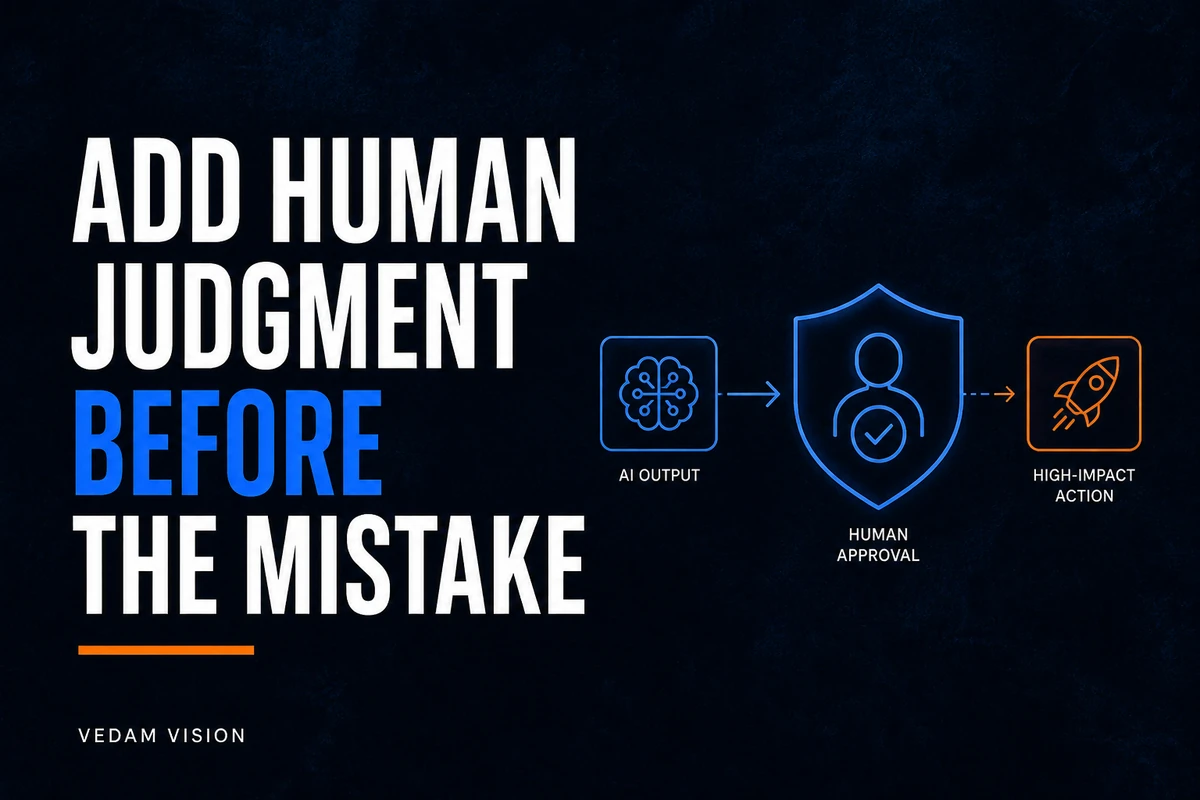
A central policy owner can maintain standards, but accountability must sit close to the work. The workflow owner knows what acceptable performance means, which exceptions matter, and how a failure affects customers. The final decision owner has authority to approve, reject, pause, or retire the use.
Use four lightweight roles:
- Governance owner: maintains the register, policy, review calendar, and incident process.
- Workflow owner: defines purpose, inputs, output standard, controls, and success measures.
- User or operator: follows instructions, reviews output, records exceptions, and reports problems.
- Approver: accepts accountability for the final action, publication, or decision.
One person may perform several roles in a very small company, but the responsibilities should remain explicit. NIST governance guidance calls for clear roles, leadership responsibility, monitoring, and oversight of human-AI configurations. The goal is not more titles. It is fewer gaps.
Connect these roles to the business's normal delivery stages. The Vedam Vision process separates discovery, planning, production, review, and launch, which provides a useful pattern for deciding where assistance begins and where approval remains human.
Step 4: Apply a control pack matched to the tier
Controls should be specific enough to test. “Be accurate” is not a control. “Verify every factual claim against an approved source before publication” is.
A base control pack for every approved use should cover:
- approved tool, account, and business purpose;
- allowed and prohibited information;
- access and administrator ownership;
- required reviewer and review criteria;
- records that must be kept;
- fallback when the tool fails;
- incident reporting route;
- renewal and review date.
Tier 2 adds test cases, source requirements, monitoring, vendor review, and change approval. Tier 3 requires specialist assessment and may require the use to be prohibited. Do not compensate for a high-consequence workflow with a long disclaimer.
For content, a reviewer may check accuracy, source support, originality, promises, tone, privacy, and accessibility. For data analysis, check data quality, assumptions, missing context, reproducibility, and whether a human can challenge the result. For automated actions, include permissions, rate limits, confirmation steps, logs, rollback, and alerts.
Step 5: Measure value and risk together
A governance review should not only count incidents. It should ask whether the use creates enough value to justify its cost and controls. Otherwise, a business may retain a low-quality workflow simply because nothing dramatic has failed.
Choose a small evidence set:
- time to complete the full task, including review and correction;
- percentage of outputs accepted without major rework;
- common error or exception types;
- customer complaints or staff escalations related to the use;
- subscription, integration, training, and supervision cost;
- security, privacy, access, or vendor incidents;
- adoption by the people the workflow is meant to help.
Use evidence for a decision, not a dashboard decoration. The AI ROI guide for Indian SMBs explains why saved generation time should not be confused with saved end-to-end work. Review and correction are part of the cost.
Step 6: Run a short monthly governance review
A monthly review can fit into 45 minutes when the register is maintained. Include the governance owner, relevant workflow owners, and someone who can approve changes. Invite security, legal, HR, finance, or domain expertise when the use requires it.
Use a fixed agenda:
- New tools or uses since the last review.
- Incidents, exceptions, complaints, and unexpected behaviour.
- Material vendor, model, data, integration, or legal changes.
- Value and quality evidence for existing Tier 2 uses.
- Decisions to approve, adjust, restrict, replace, pause, or retire.
- Owners and dates for follow-up actions.
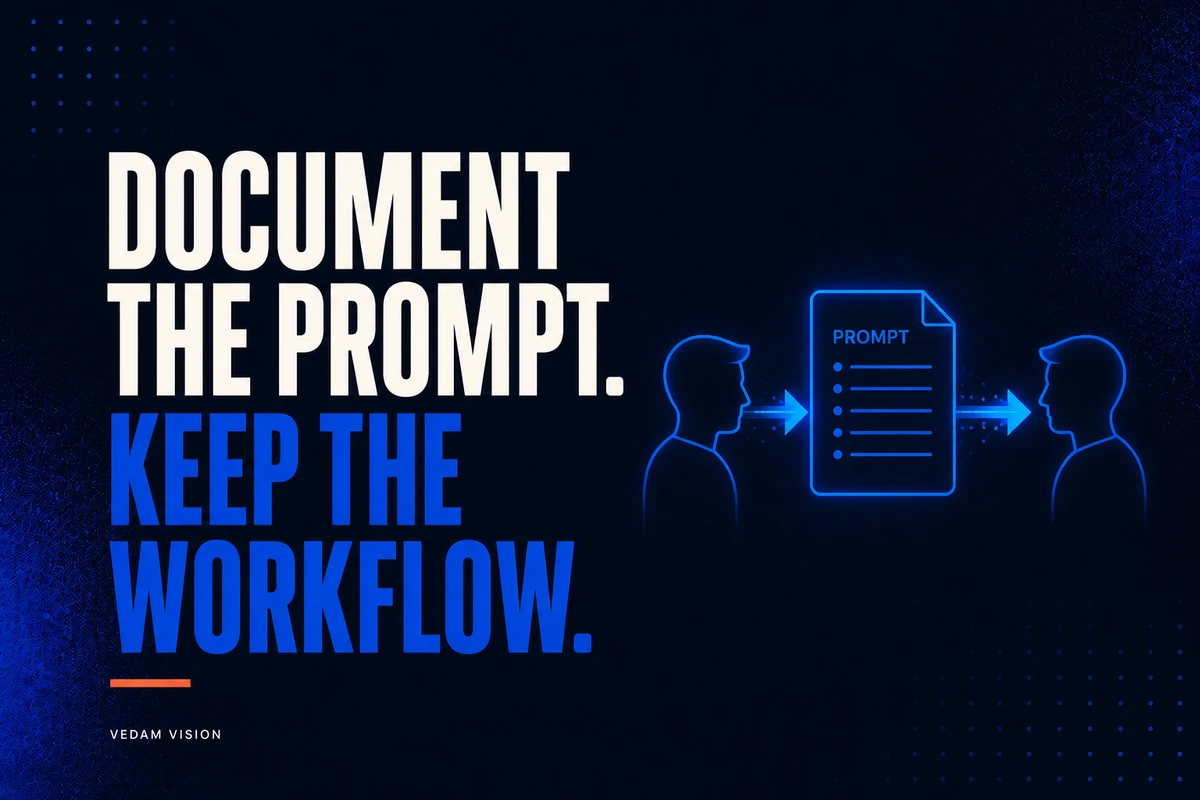
Record decisions in the register or a short decision log. NIST's AI RMF Playbook presents suggested actions rather than a universal checklist, which supports this proportional approach. The meeting should become deeper only when the context requires it.
Step 7: Create a fast incident route
An AI incident can include confidential information sent to the wrong system, harmful or discriminatory output, an invented source delivered to a customer, an unexpected automated action, access compromise, or repeated failure of a review standard.
The response route should tell a person to:
- stop or isolate the affected workflow;
- preserve prompts, inputs, outputs, logs, and relevant communications;
- notify the named owner immediately;
- limit further exposure or action;
- escalate through applicable security, privacy, legal, HR, or customer-response processes;
- record the cause, correction, affected people, and prevention action before restart.
Do not punish good-faith reporting. Hidden incidents make the system look safer while making the business less safe. The review should improve the control, training, vendor decision, or use-case boundary.
Step 8: Govern vendors and integrations
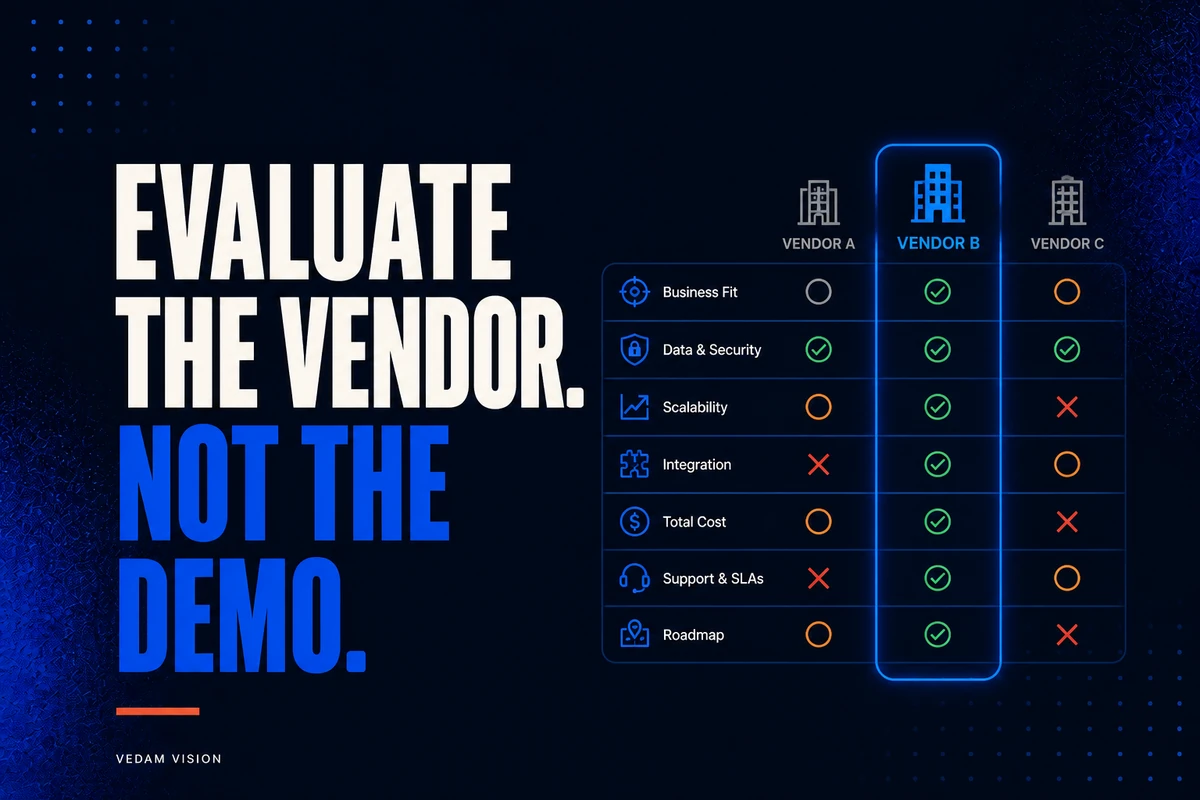
Third-party risk belongs inside the framework because most small businesses buy rather than build AI systems. Before approval, examine data handling, retention, training use, subprocessors, security features, access controls, contract terms, intellectual property provisions, service continuity, export, deletion, and exit.
Review integrations separately. A chatbot that can only draft text has a different impact from an agent connected to email, customer records, publishing, payments, or production systems. Limit permissions to what the workflow needs, require confirmation for consequential actions, maintain logs, and test rollback.
Keep renewal dates in the register. Cancel unused accounts and remove access when staff or vendors leave. Governance includes decommissioning, not only buying and approving.
Step 9: Add a quarterly portfolio decision
The monthly review handles operations. Once a quarter, examine the portfolio: Are several tools solving the same problem? Are people bypassing one system? Is sensitive information spreading across accounts? Is a valuable pilot ready to scale? Has a workflow become too difficult to supervise?
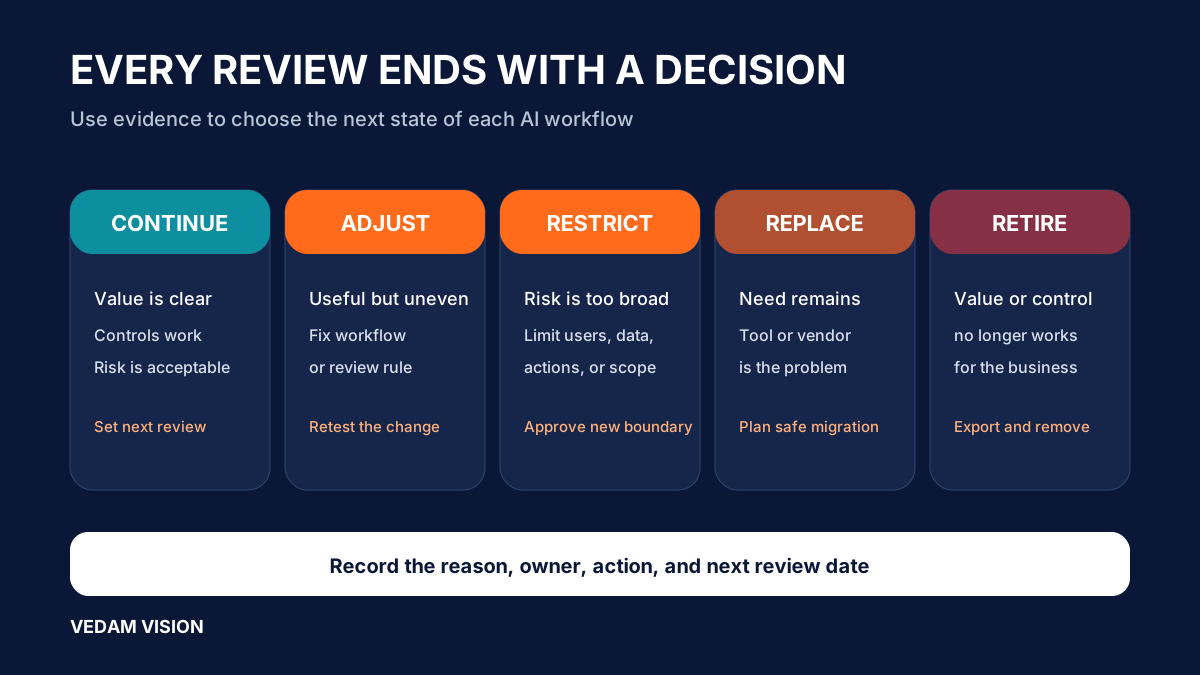
Make one of five decisions for each material use:
- Continue: controls and value remain acceptable.
- Adjust: change prompts, sources, training, review, or scope.
- Restrict: reduce users, data, permissions, or allowed tasks.
- Replace: move to a better controlled or more useful tool.
- Retire: remove access, export needed records, disconnect integrations, and return to the fallback.
This decision discipline prevents a collection of forgotten subscriptions and undocumented experiments. It also gives leadership a realistic view of where AI contributes to operations.
A practical 30-day implementation plan
Week 1: Discover
Collect current tools and uses, appoint a governance owner, and create the register. Do not begin by banning everything. Hidden use is harder to govern than disclosed use.
Week 2: Classify
Assign risk tiers, name workflow owners, and pause any sensitive or high-consequence use without appropriate review. Identify duplicate tools and unmanaged accounts.
Week 3: Control
Define approved inputs, review criteria, access, records, success measures, fallback, and incident route for active uses. Publish a short AI policy that connects staff expectations to the framework.
Week 4: Operate
Train the team with real scenarios, run the first governance review, close obvious gaps, and set monthly and quarterly dates. The first cycle should produce decisions, not a perfect framework.
If the business needs an outside view of its systems, controls, website, and digital operations, request a free digital audit or review the broader Vedam Vision services.
Common governance mistakes
- Approving tools rather than uses: one product can support workflows with very different consequences.
- Giving everyone ownership: shared responsibility without a named decision owner often becomes no responsibility.
- Measuring generation speed only: review, correction, integration, and exceptions belong in the calculation.
- Making the process too heavy: low-risk assistance should not require the same control as a high-impact decision.
- Ignoring embedded AI: ordinary software may introduce AI features or change them over time.
- Skipping retirement: unused accounts, permissions, data, and integrations remain a risk.
- Treating governance as legal certification: a framework supports decision-making but does not replace advice applicable to the use, sector, and jurisdiction.
The framework in one page
Maintain one use-based register. Give every use a risk tier, workflow owner, final approver, control pack, evidence set, review date, incident route, and retirement method. Review changes and exceptions monthly. Review the portfolio quarterly. Escalate or prohibit uses whose consequences exceed the team's ability to supervise them.
That is enough to begin responsibly. The framework becomes stronger through use: a reported problem improves a control, a failed pilot improves selection, and a successful workflow produces evidence for scaling. If you want help turning this structure into a working operating model, contact Vedam Vision for a focused assessment.