AI website builders have made it easier than ever to launch a site quickly. In a few prompts, you can generate layouts, copy suggestions, and a basic structure. That sounds attractive, especially for small businesses that want to move fast. But speed is only one part of the website decision.
The real question is not whether AI website builders are impressive. The real question is whether they are right for your business goals. In some cases, they are a smart starting point. In other cases, custom development is the better investment because it gives you stronger SEO control, better conversion performance, and more flexibility.
Where AI website builders are useful

AI website builders are useful when you need a simple online presence fast. They can help with basic service pages, portfolio-style layouts, starter landing pages, and quick brochure websites. For businesses that need something live quickly and have limited complexity, they can reduce launch friction.
They are especially useful for early-stage experiments, temporary campaigns, or businesses that do not yet need advanced functionality.
Where custom development wins
Custom development is better when the website is expected to drive real business outcomes over time. That includes lead generation, local SEO, scalable content architecture, advanced service pages, integrations, performance optimization, and brand-specific design logic.
If your website needs to support growth, content strategy, or custom workflows, a more flexible build is usually worth it.
| Factor | AI website builder | Custom development |
|---|---|---|
| Speed | Very fast to launch | Slower but more tailored |
| Cost | Lower starting cost | Higher upfront investment |
| Flexibility | Limited by platform rules | High flexibility |
| SEO control | Basic to moderate | Strong control over structure and optimization |
| Conversion design | Template dependent | Fully tailored to goals |
| Scalability | Can become restrictive | Better for long-term scaling |
Questions to ask before choosing
Do you just need something live, or do you need something strategic?
If the site is mainly a temporary or minimal online presence, AI tools may be enough. If the site is expected to generate enquiries, rank, and represent your brand seriously, think beyond convenience.
How important is SEO?
If organic growth matters, you need better control over technical structure, internal linking, content hierarchy, and landing page design. Many AI builders are fine for basics but limited when you want deeper SEO performance.
Will you need custom features later?
Many businesses outgrow starter tools quickly. If you already know you will need integrations, flexible sections, dynamic content, or admin-driven expansion, custom development is often the smarter path.
What businesses often get wrong
- Choosing speed over long-term fit
- Assuming a pretty template will automatically convert
- Ignoring page structure, messaging, and proof
- Not planning future scalability
- Using AI-generated copy without strategic refinement
When AI builders are the right starting point
If you are validating an idea, launching quickly, or building a temporary campaign page, an AI site builder can be practical. But treat it as a phase, not automatically as the permanent solution.
When custom development is the better choice
Choose custom development when your website is central to growth. If you care about better lead quality, stronger local SEO, tailored design, and long-term control, custom is usually the better investment.
FAQ: AI website builder vs custom development
Are AI website builders bad?
No. They are useful for the right use case. The problem starts when businesses expect them to solve strategy, SEO, and conversion challenges on their own.
Is custom development always necessary?
No. Some businesses can start with a lighter setup. But if growth and differentiation matter, custom often becomes the better path.
Which option is better for SEO?
Custom development usually offers stronger SEO control, especially for content-heavy, service-driven, and growth-focused websites.
Which option is better for lead generation?
Custom development usually performs better because the messaging, page flow, and conversion elements can be tailored precisely.
If you are deciding what kind of website your business really needs, check our services or request a free audit for a practical recommendation.
Extra practical guidance
Website decisions should be made around business goals, not just convenience or launch speed. becomes more effective when businesses treat it like a system instead of a one-off tactic. That means defining the objective clearly, identifying the customer questions that matter most, and making sure the page or campaign has a clear next step. Without that structure, even useful marketing activity can underperform because the user journey feels incomplete.
Another important factor is consistency. Businesses often test a promising idea once, then drop it before the market has enough time to respond. Better results usually come from stronger execution over time, not from random switching between tactics. The brands that improve fastest are usually the ones that review what is working, refine the structure, and keep building on signals that already show promise.
What to measure
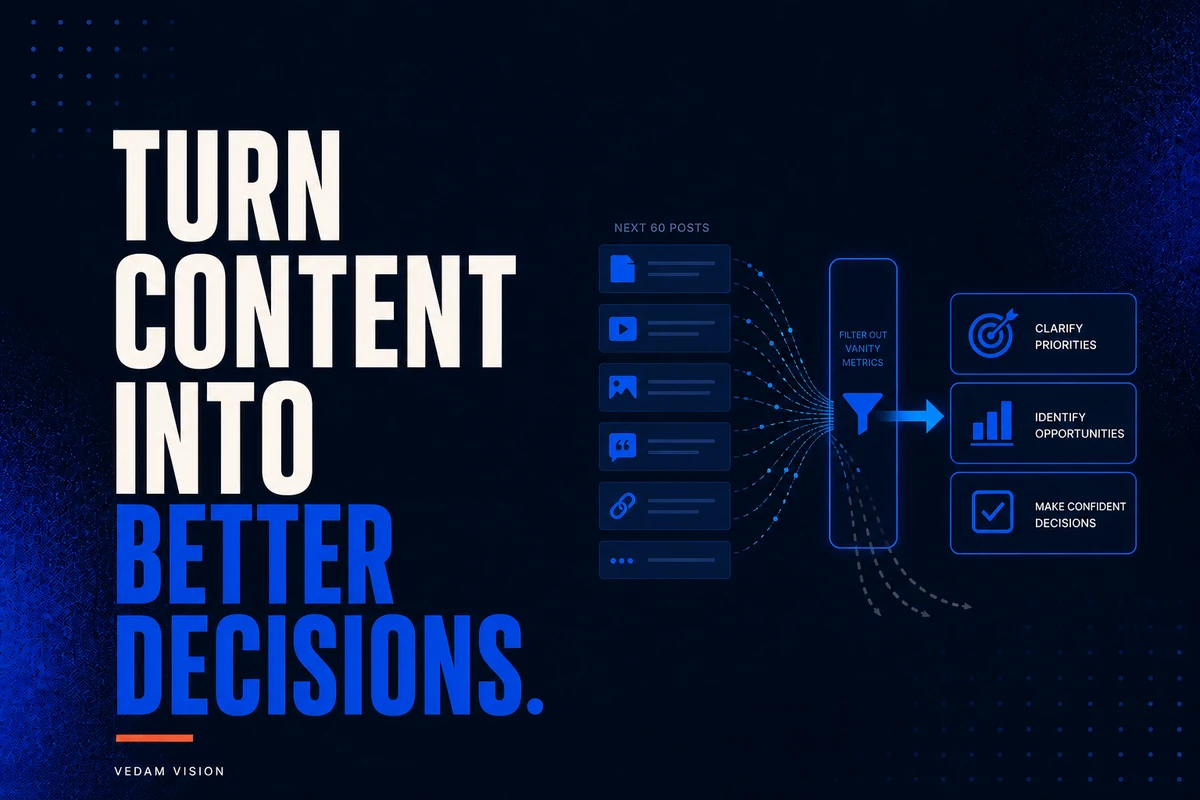
Once a business improves this area, the next step is to track the right signals. That may include engagement quality, enquiry quality, conversion rate, response time, page depth, or repeat interaction. Measurement matters because it helps separate work that feels productive from work that actually supports growth.
In most cases, clarity, trust, and follow-up quality matter more than vanity metrics. Better marketing should not just increase visibility. It should make the business easier to understand and easier to choose.
Deeper application
Website strategy improves when each build choice is linked to actual business priorities and long-term flexibility. usually performs better when businesses connect it to a broader customer journey. That means identifying what stage the user is in, what doubts still exist, and what supporting proof or clarity is needed before the next step feels obvious. This kind of refinement often improves both trust and conversion at the same time.
It also helps to think in terms of reuse. A strong content asset, design system, or workflow should not only work once. It should make future execution easier, faster, and more consistent. That is often where businesses see compounding value from better systems.
Where businesses usually lose momentum
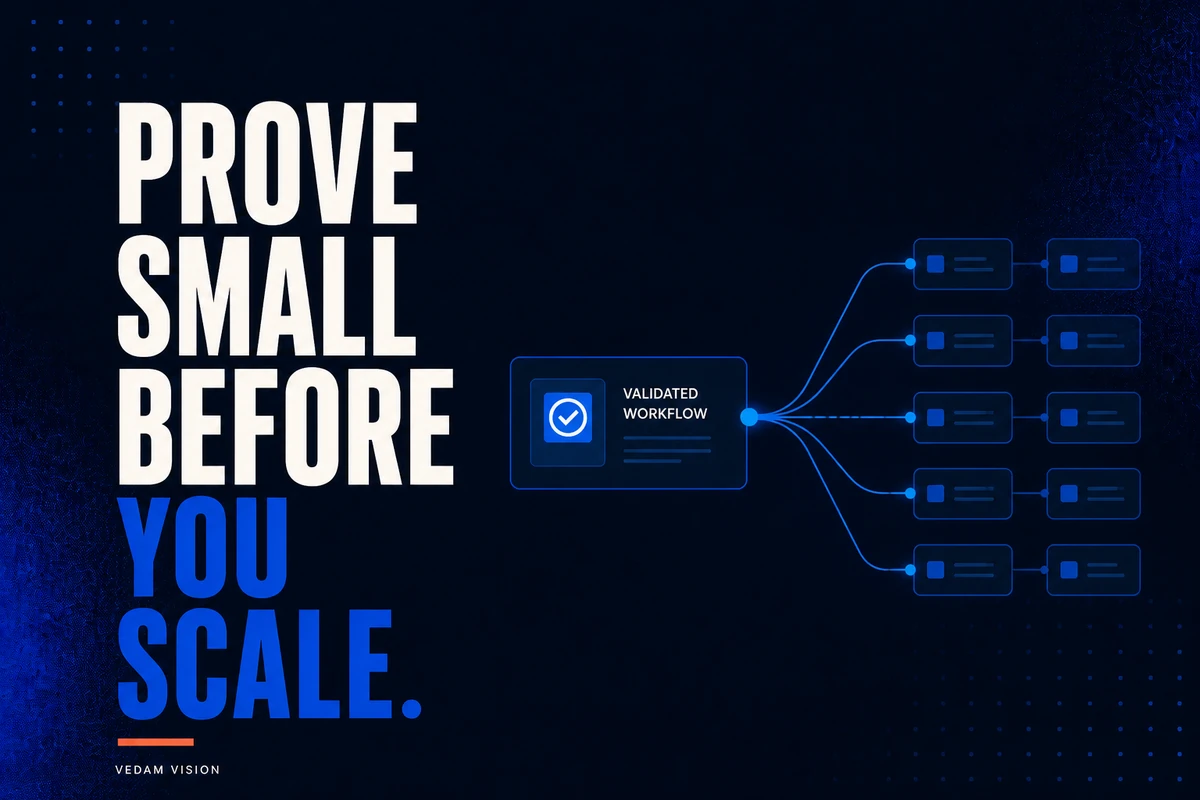
Momentum is often lost when teams produce something useful but fail to turn it into a repeatable process. For example, a business may create one good blog, one strong design asset, or one helpful automation—then stop there. Better long-term results usually come from turning those wins into templates, standards, and reusable workflows.
That is why process matters as much as output. Better marketing systems reduce randomness, improve quality control, and make growth more sustainable.